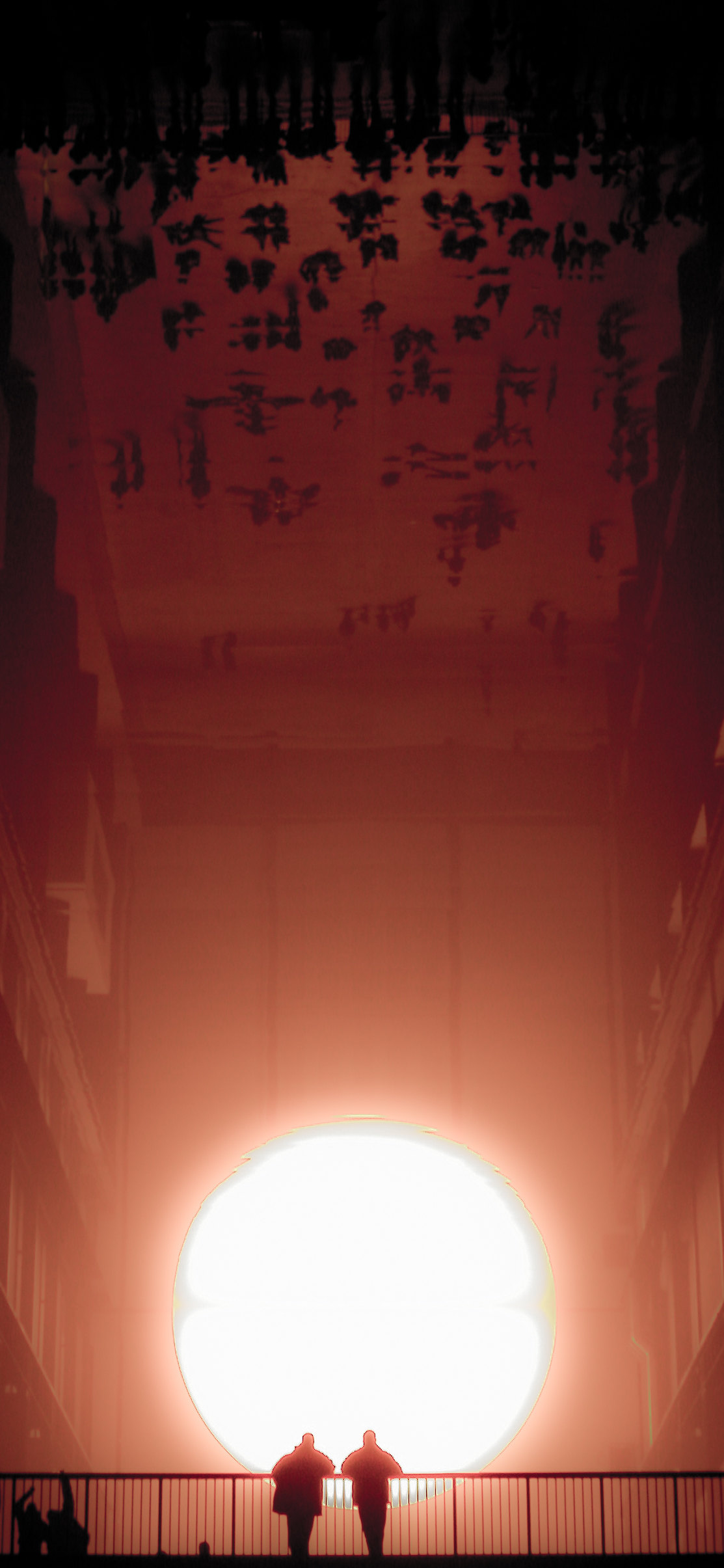
walk under the sun

opportunity taken

facing light & hanging Angels

the great escape…

repeat

attention

Fire the show

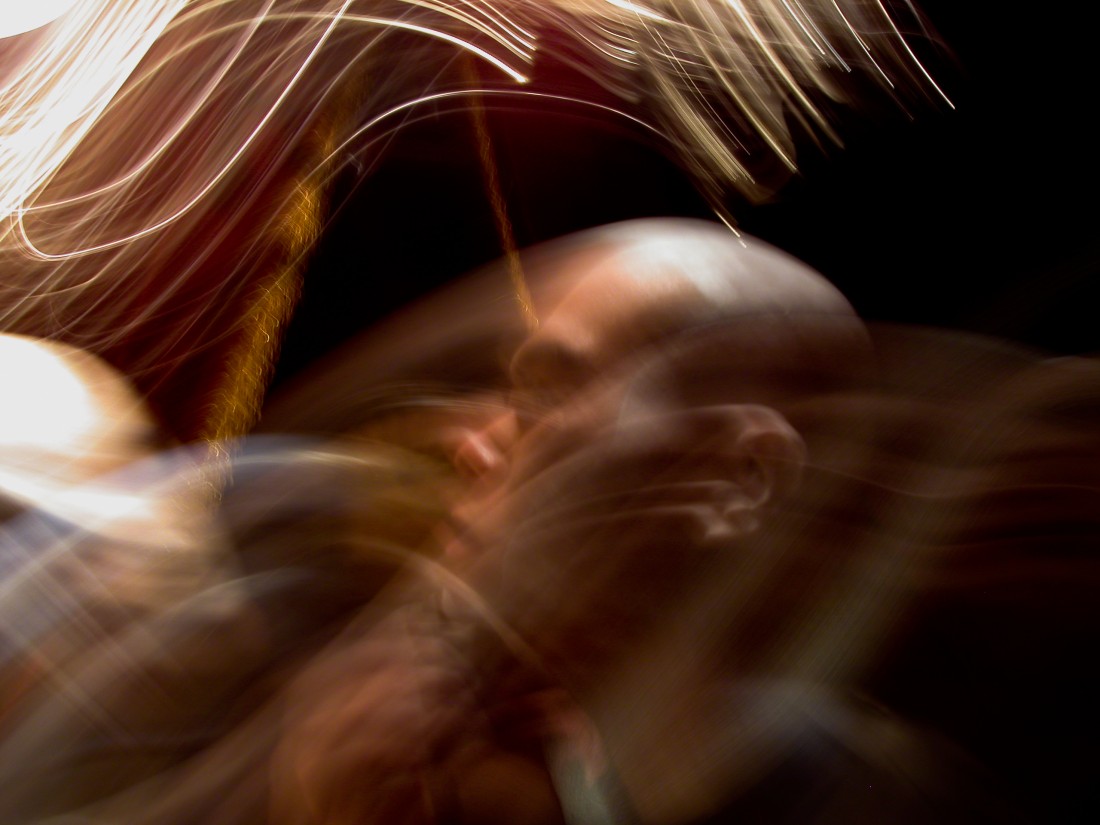
In photography, exposure is the amount of light allowed to fall on each area unit of a photographic medium (photographic film or image sensor) during the process of taking a photograph. Exposure is measured in lux seconds, and can be computed from exposure value (EV) and scene luminance in a specified region.

In photographic jargon, an exposure generally refers to a single shutter cycle. For example: a long exposure refers to a single, protracted shutter cycle to capture enough low-intensity light, whereas a multiple exposure involves a series of relatively brief shutter cycles; effectively layering a series of photographs in one image. For the same film speed, the accumulated photometric exposure (Hv) should be similar in both cases.

Head Architect


A leader (Head) in a formal, hierarchical organization, who is appointed to a managerial position, has the right to command and enforce obedience by virtue of the authority of his position. However, he must possess adequate personal attributes to match his authority, because authority is only potentially available to him. In the absence of sufficient personal competence, a manager may be confronted by an emergent leader who can challenge his role in the organization and reduce it to that of a figurehead. However, only authority of position has the backing of formal sanctions. It follows that whoever wields personal influence and power can legitimize this only by gaining a formal position in the hierarchy, with commensurate authority.[1]

An architect is a person trained in the planning, design and oversight/supervision of the construction of buildings. To practice architecture means to offer or render services in connection with the design and construction of a building, or group of buildings and the space within the site surrounding the buildings, that have as their principal purpose human occupancy or use.[1] Etymologically, architect derives from the Latin architectus, itself derived from the Greek arkhitekton (arkhi-, chief + tekton, builder), i.e. chief builder.[2]

Professionally, an architect’s decisions affect public safety, and thus an architect must undergo specialized training consisting of advanced education and a practicum (or internship) for practical experience to earn a license to practice architecture. The practical, technical, and academic requirements for becoming an architect vary by jurisdiction (see below).

real ?

Reality

In philosophy, reality is the state of things as they actually exist, rather than as they may appear or might be imagined.[1] In a wider definition, reality includes everything that is and has been, whether or not it is observable or comprehensible. A still more broad definition includes everything that has existed, exists, or will exist.

Philosophers, mathematicians, and others ancient and modern such as Aristotle, Plato, Frege, Wittgenstein, Russell etc., have made a distinction between thought corresponding to reality, coherent abstractions, and that which cannot even be rationally thought. By contrast existence is often restricted solely to that which has physical existence or has a direct basis in it in the way that thoughts do in the brain.

Reality is often contrasted with what is imaginary, delusional, (only) in the mind, dreams, what is abstract, what is false, or what is fictional. The truth refers to what is real, while falsity refers to what is not. Fictions are considered not real.

From Wikipedia, the free encyclopedia