
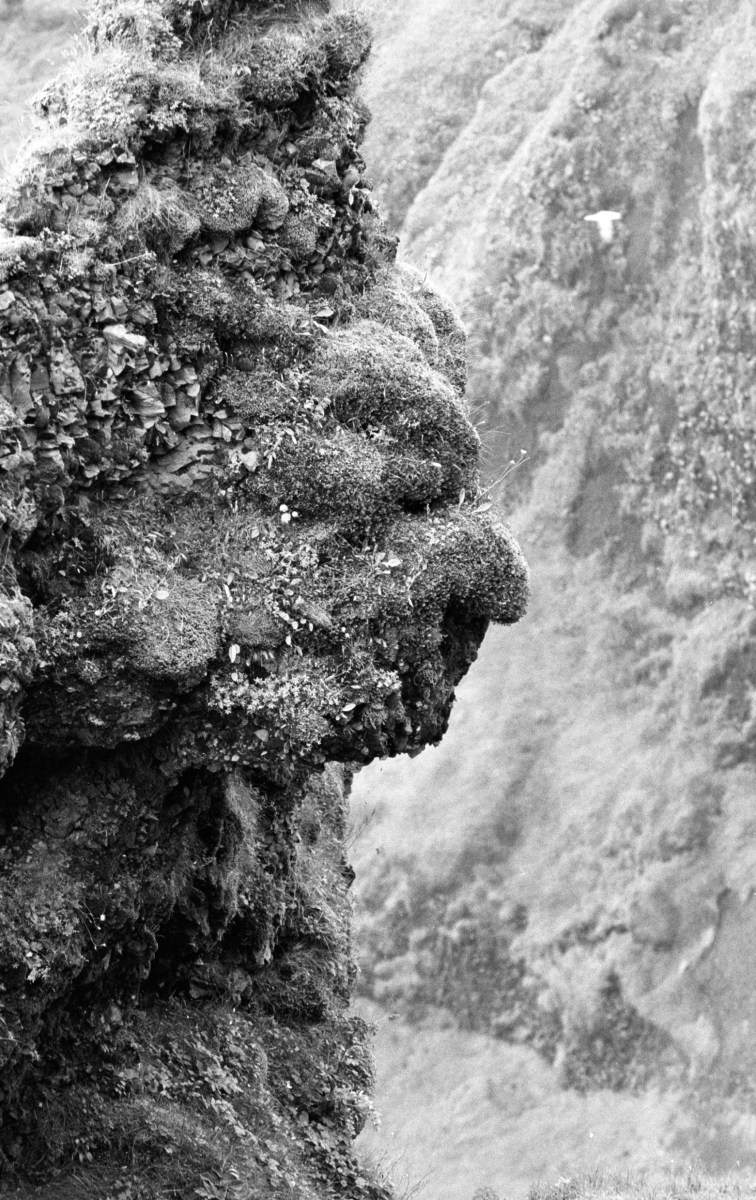
Silent faces in Iceland




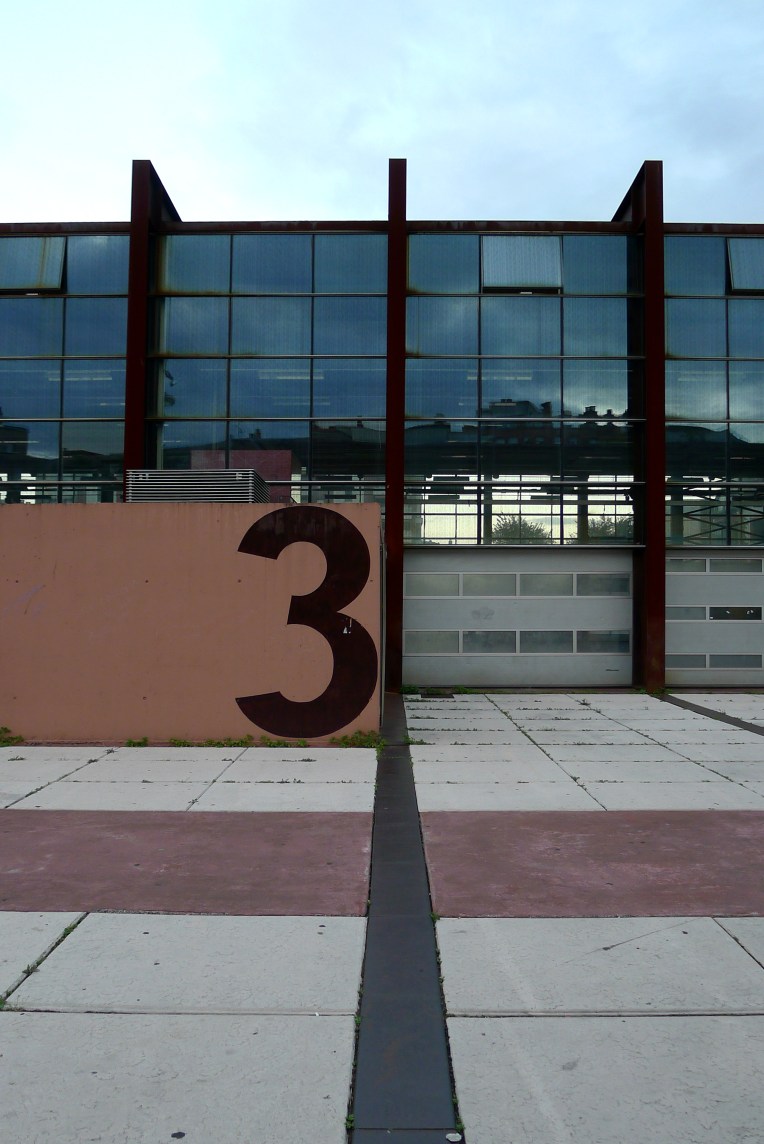
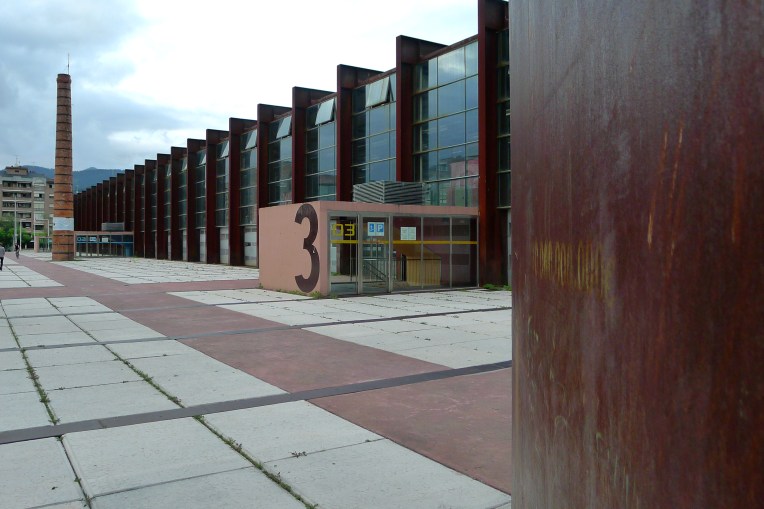
 LANDAKO GUNEA-n barruti garbia aurkituko duzu,
zutaberik gabekoa, modernoa eta erabilera anitzekoa, instalazio modernoak,
aparkaleku zaindua eta modu guztietako ekitaldiak ospatzea ahalbidetzen duen zerbitzu gama zabala,
bezeroaren neurrira eginda.
Bertako 4.200 m2-tan urtero azokak, kultur eta musika jaialdiak, erakusketak eta kontzertuak egiten dira beste gauza batzuen artean.
LANDAKO GUNEA-n barruti garbia aurkituko duzu,
zutaberik gabekoa, modernoa eta erabilera anitzekoa, instalazio modernoak,
aparkaleku zaindua eta modu guztietako ekitaldiak ospatzea ahalbidetzen duen zerbitzu gama zabala,
bezeroaren neurrira eginda.
Bertako 4.200 m2-tan urtero azokak, kultur eta musika jaialdiak, erakusketak eta kontzertuak egiten dira beste gauza batzuen artean.




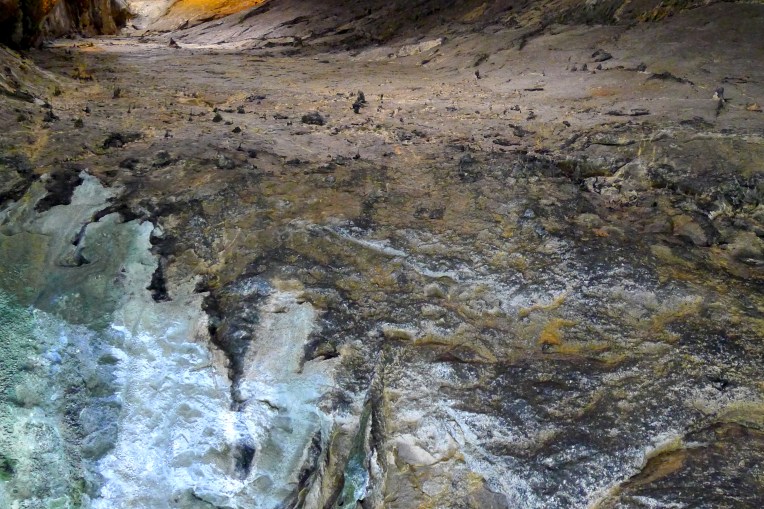


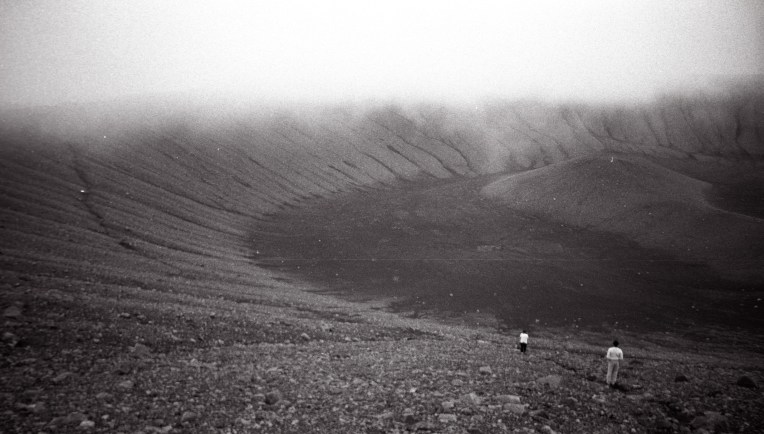
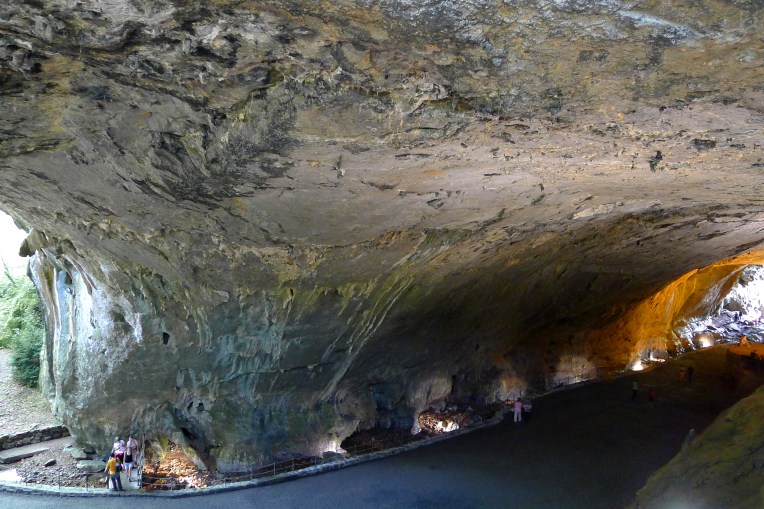
Inside the cave, the widest part measures 120 metres.
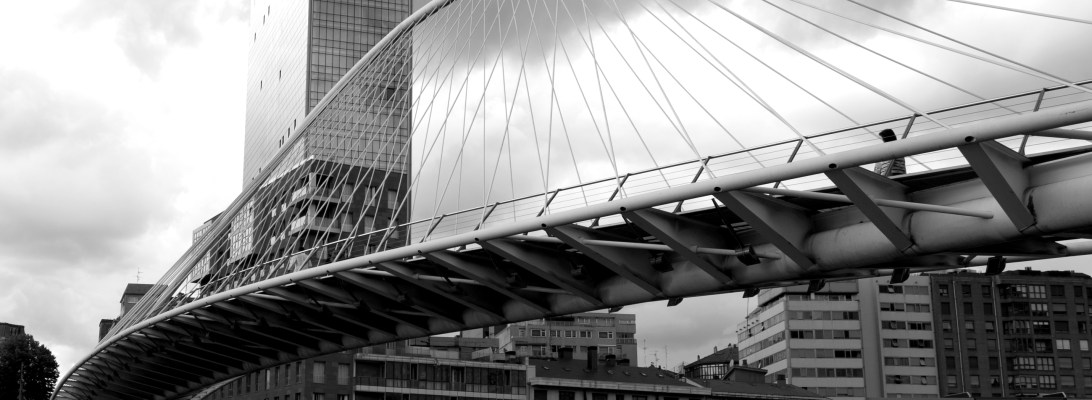

(Basque for “white bridge“),
also called the Campo Volantin Bridge or Puente del Campo Volantin,
is a tied arch footbridge across the Nervion River in Bilbao, Basque Country.
Designed by architect Santiago Calatrava,
the bridge links the Campo Volantin right bank and Uribitarte left bank of the river.
Since its opening, it has been subjected to praise as a symbol of the new Bilbao and as a draw for tourism.
Architectural professor Alexander Tzonis wrote:
“The intelligence, vitality, and originality of the bridge’s curved configuration challenged the ordinariness and slow decline of the urban setting, bringing a message of hope and an invitation to imagine better conditions.”
Here for you to cross the Bridge…


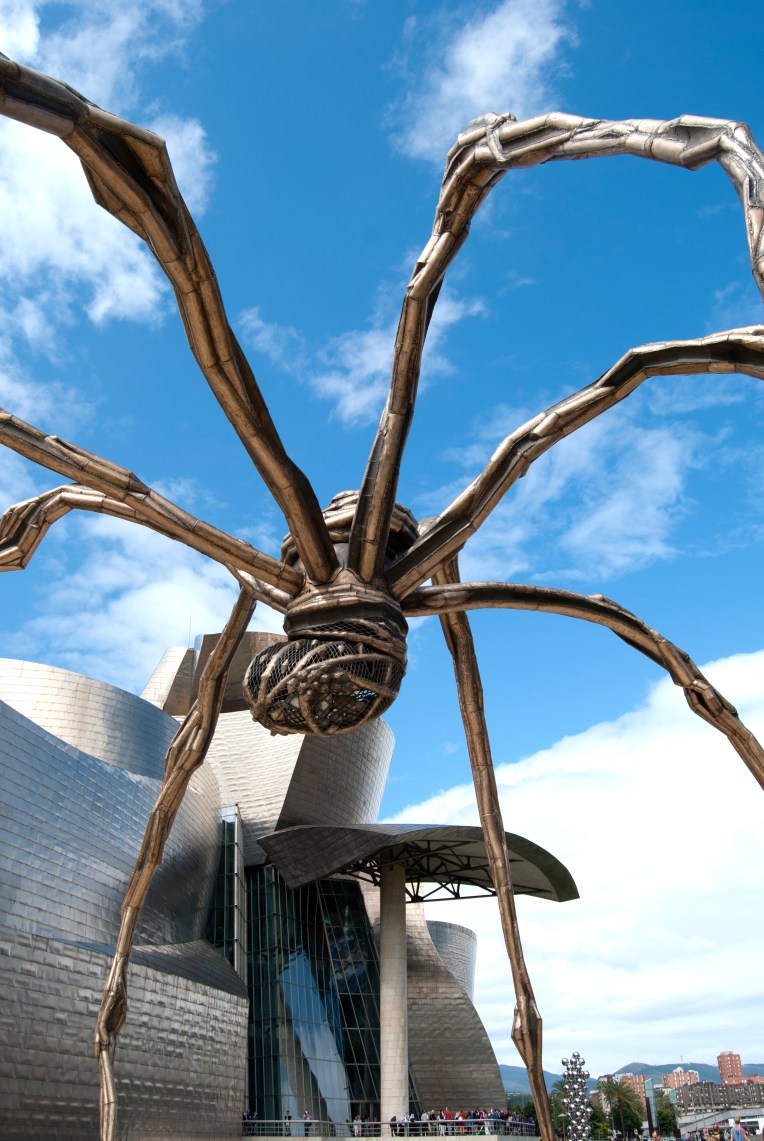
Located on the Bay of Biscay, Bilbao is the fourth largest city in Spain, one of the country’s most important ports,
and a center for manufacturing, shipping, and commerce.
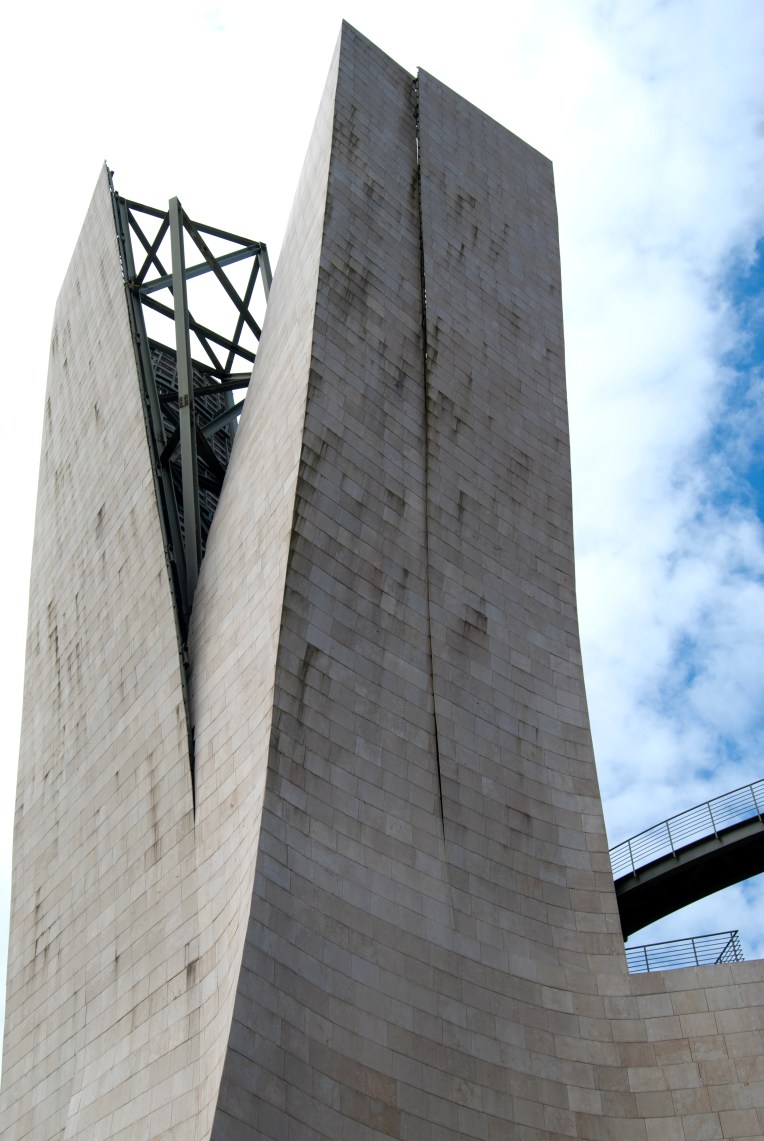
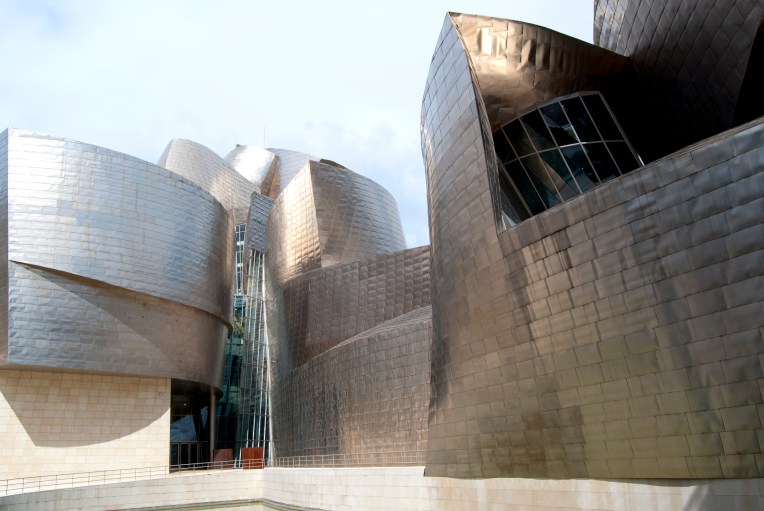
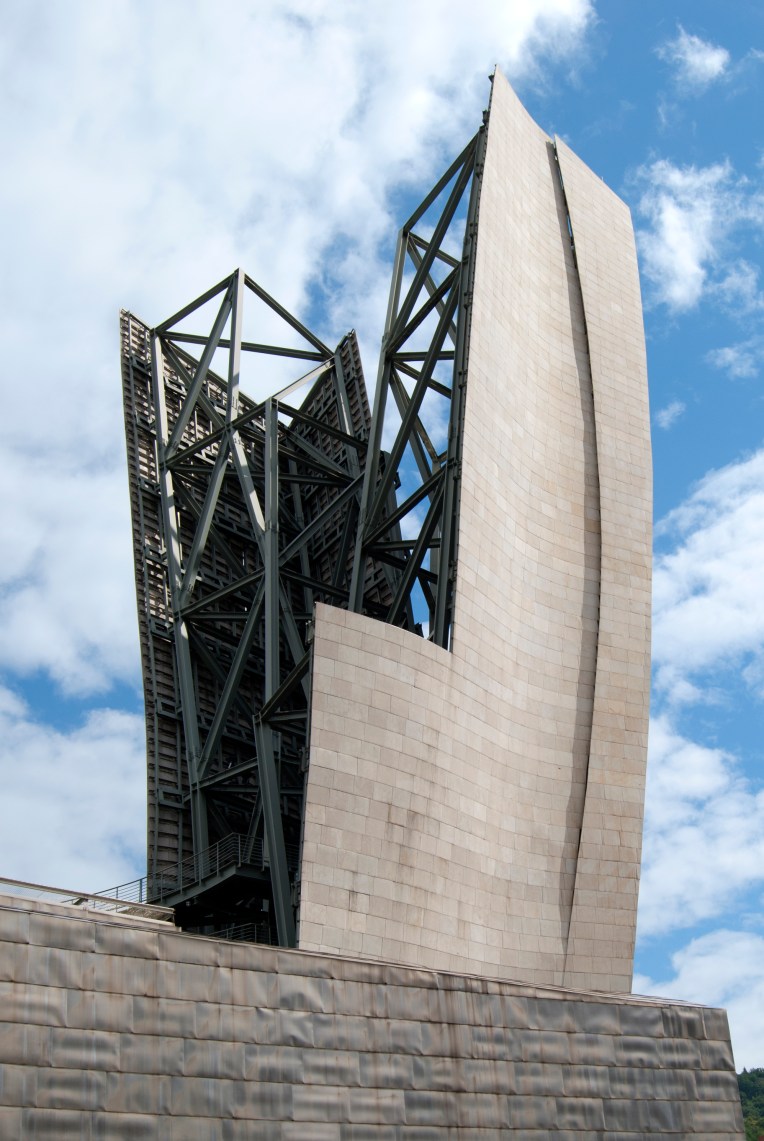
An architectural competition led to the selection of California-based architect Gehry,
known for his use of unorthodox materials and inventive forms, and his sensitivity to the urban environment.
Gehry’s proposal for the site on the Nervion River ultimately included features that embrace both the identity of the Guggenheim Museum
and its new home in the Basque Country.
Ground-breaking took place in 1993
Inauguration in 1997
Enjoy the walk!






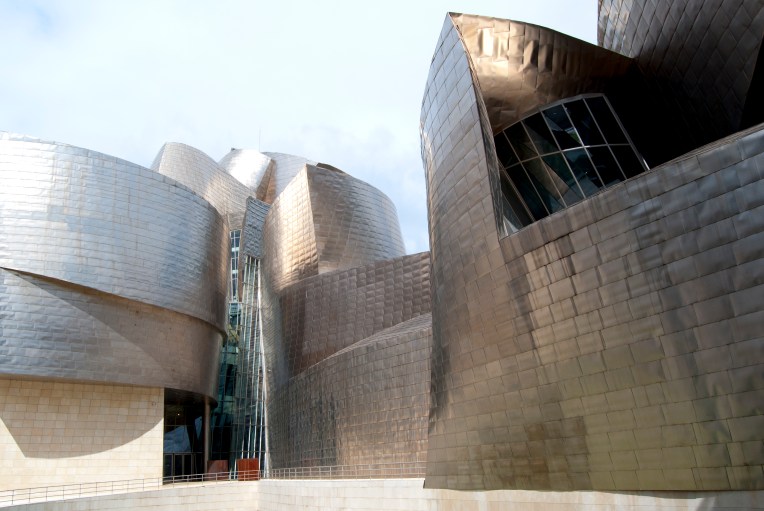

Thanks Ibon for the walk around!

Discover Featured E Magazine!
Featuring Artists, Blogs, Websites, Projects and just about everything on the planet!


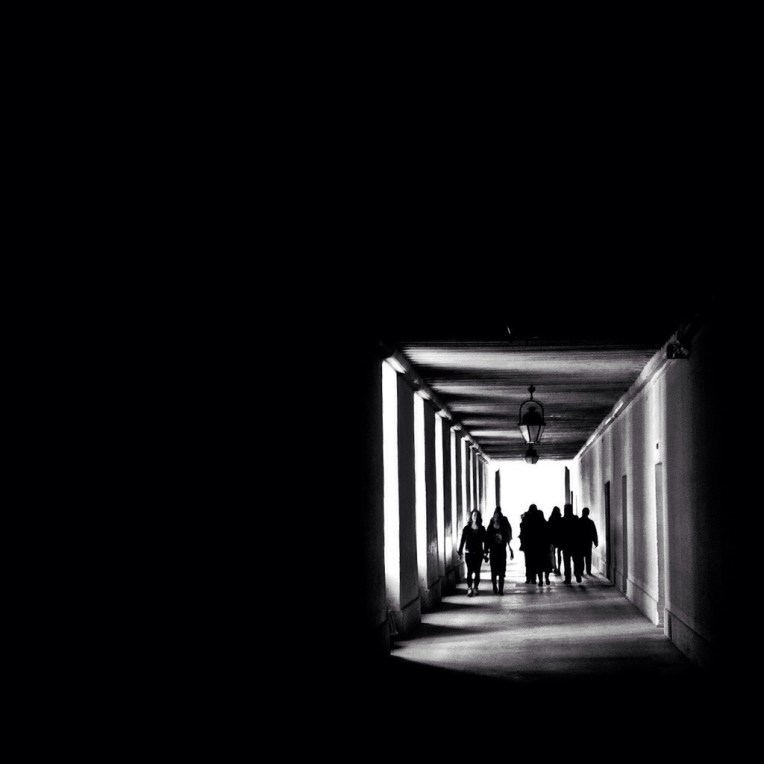
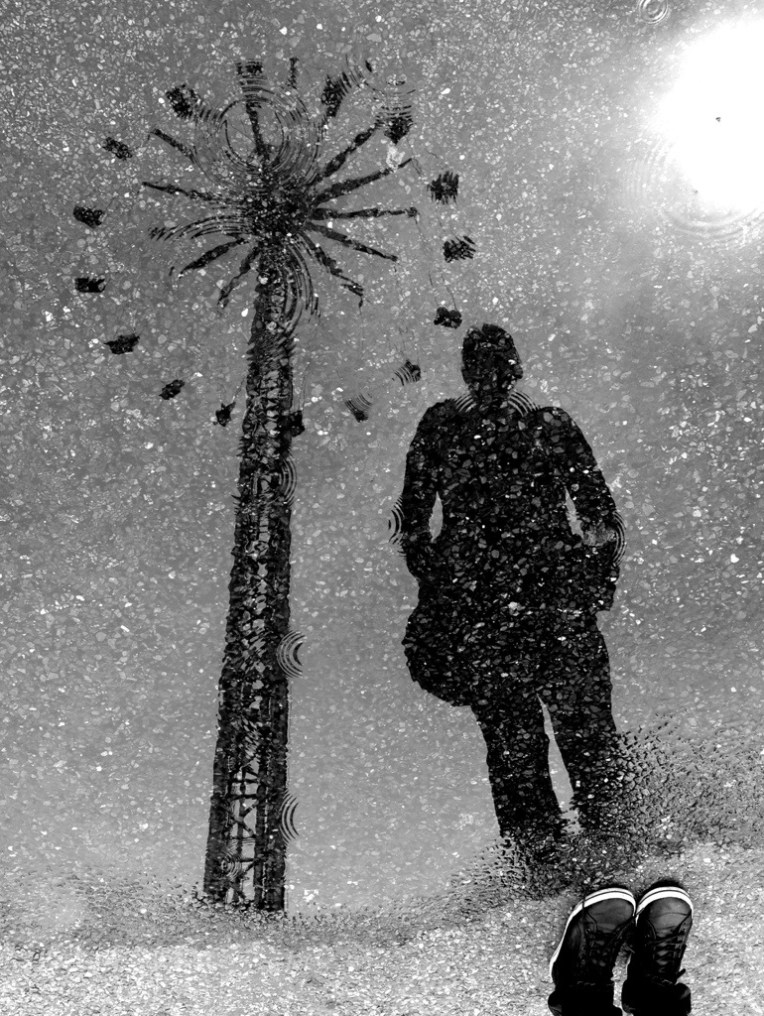
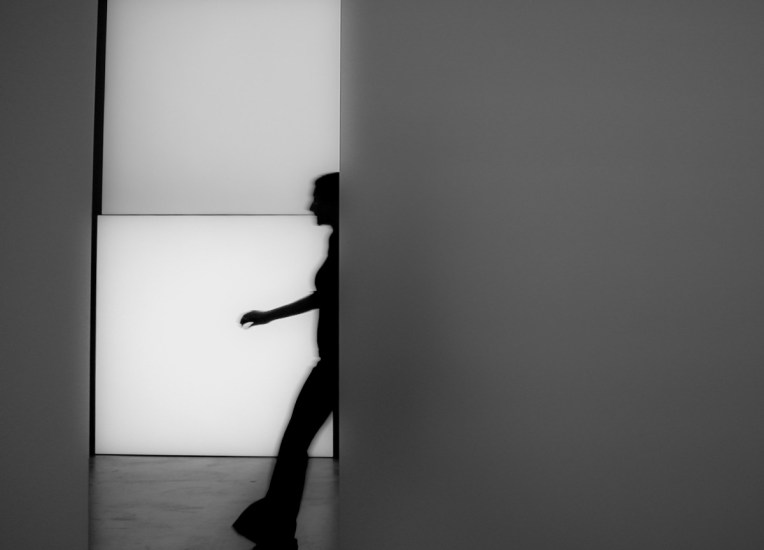
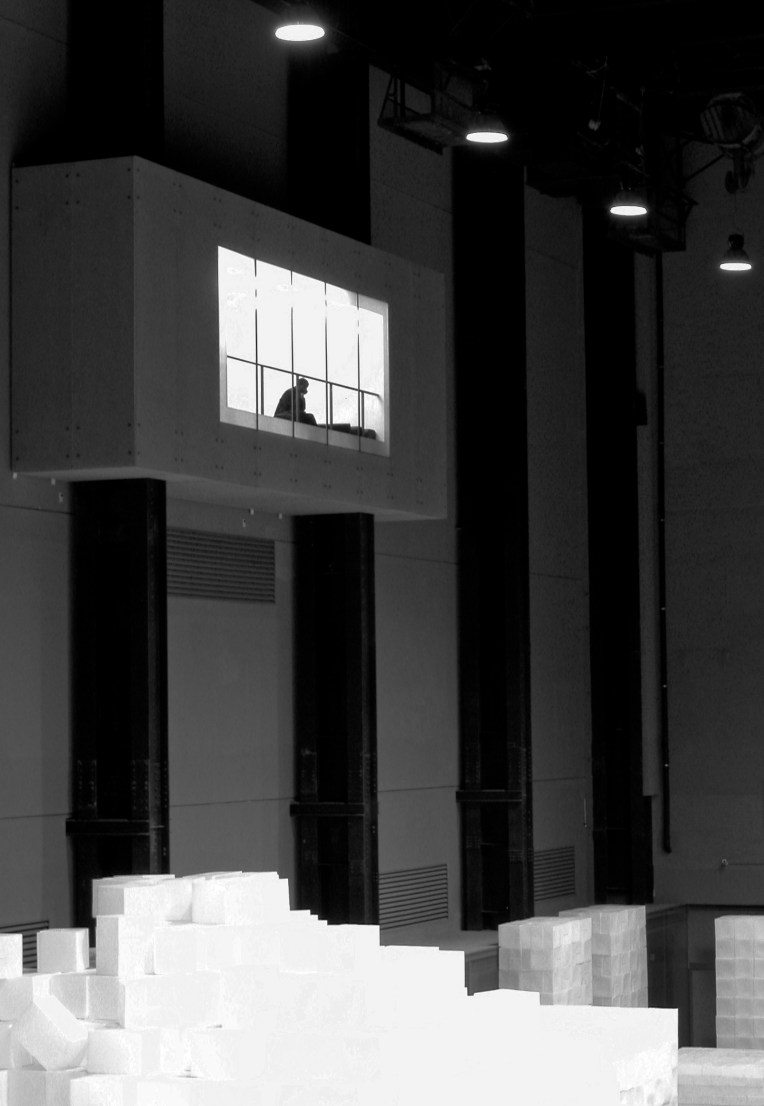
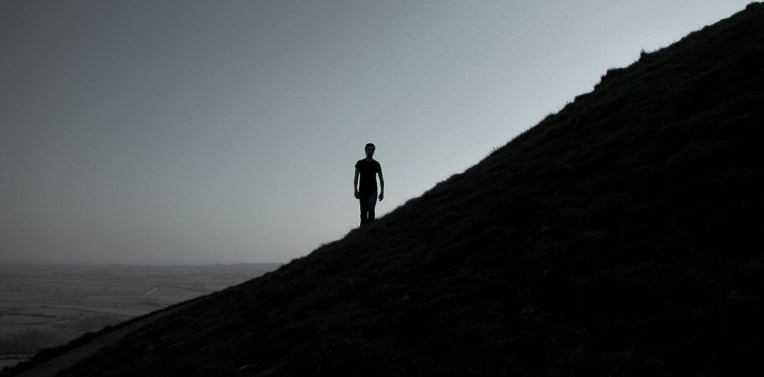
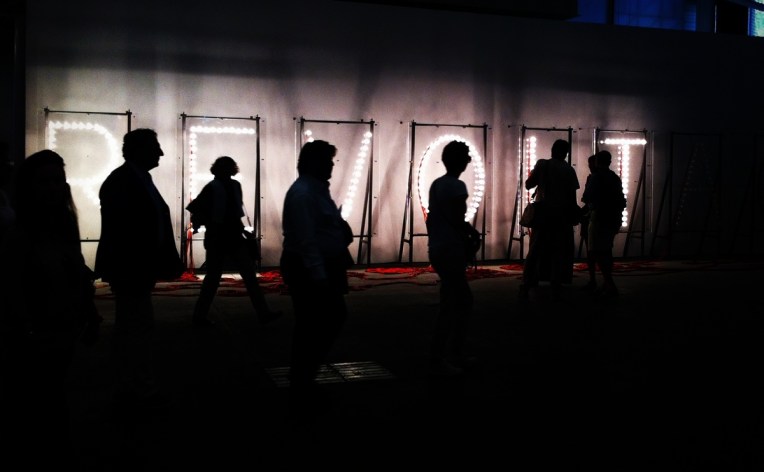
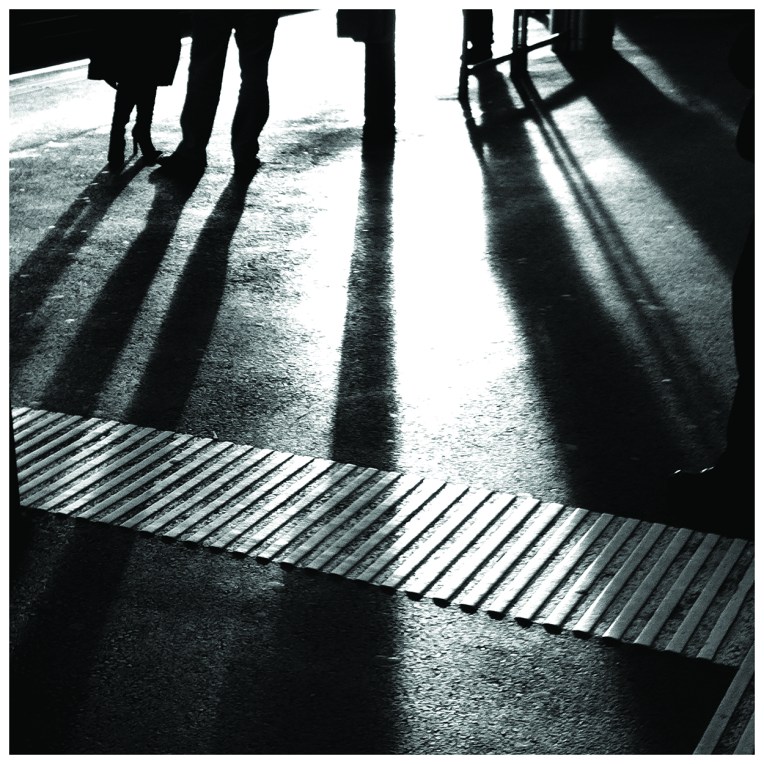
If you enjoy photographic blogs, you will certainly enjoy Fakeormistake. The work of Frédéric Jean Biver presents photos through the eye of an architect and the lens of a photographer.
Frédéric Jean Biver is an architect who has been practicing his trade in the UK and Switzerland for the past 11 years. He doesn’t do a job without his camera. He takes every opportunity to take photographs.

In parallel to his professional career, Frédéric Biver investigated himself the art of photography since 1991. In the public communal photo laboratory he developed the analog black and white photography technics. Since 2000 he added digital photography and used it to gain more experience in the graphical aspect of photography adding color to his repertoire.
With iphonography, he used day to day opportunity to experiment further the graphical approach to photography.
View original post 600 more words












 Histoires à Tiroirs